
Characterising Marine Growth that Disables Subsea Equipment

Project Description As part of the ongoing research to characterise organisms retrieved from Woodside’s Anti-Marine Growth Structure (“AMGS”), this prototype tested the assumption that the marine growth on the AMGS is the same marine growth that currently disables equipment such as underwater connectors. The project analysed underwater video footage showing Woodside’s subsea equipment that routinely […]
Data-Driven Real-Time Prediction of Ocean Responses
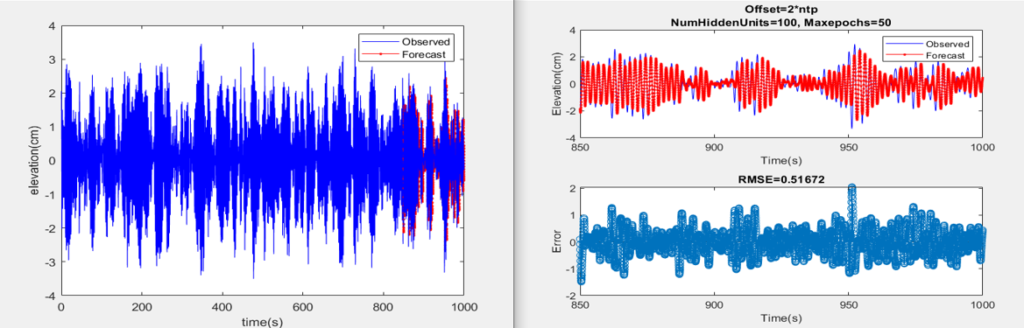
Project Description Real-time prediction of the incident wave train or vessel motions on a wave-by-wave basis is of great interest to the offshore industry, facilitating safe and efficient ship to ship transfers, offshore lifting, active control of energy extraction devices, walk-to-work vessel services, etc., but has remained challenging to implement. While linear wave theories can […]
Machine Learning Driven Regional Wave Transformation
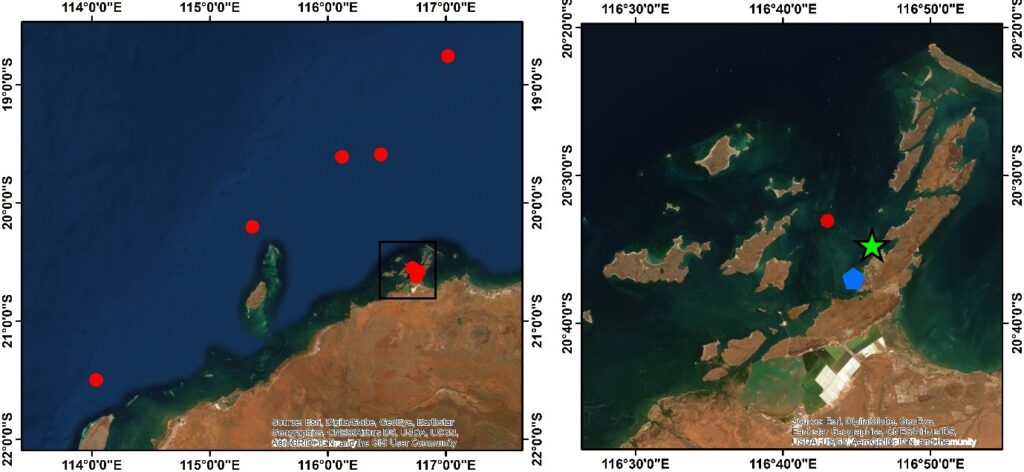
Project Description Real time wave buoy observations inform a range of marine operations, and if buoys are deployed sufficiently upstream, can provide several hours of early warning for an arriving swell or storm. However, determining the exact arrival time and transformation in height and other wave parameters between offshore buoys and nearshore locations can be […]
Using Acoustic Telemetry to Detect Tagged Marine Megafauna such as Whale Sharks around Oil and Gas Infrastructure

Project Description Offshore oil and gas (O&G) infrastructure such as pipelines, wells and platforms have proliferated along continental margins worldwide. These structures are colonised by sessile and motile invertebrates to form artificial reefs, which in turn attract fish and larger fauna (Thomson et al. 2018, McLean et al. 2019). The role of these structures as […]
Uncovering Carbon Sink Potential of Australian Kelp Forests

Project Description Until recently, there has been no industry data to support kelp forests in carbon sink frameworks and carbon offset schemes. This project conducted pilot studies to measure the abundance and particle size of kelp material moving from shallow reefs to deeper, offshore habitats (40 to 100 m deep) off multiple reefs adjacent to […]
Developing Better Design Guidance about Role of Field Joints in Initiating Pipeline Scour for Trunklines
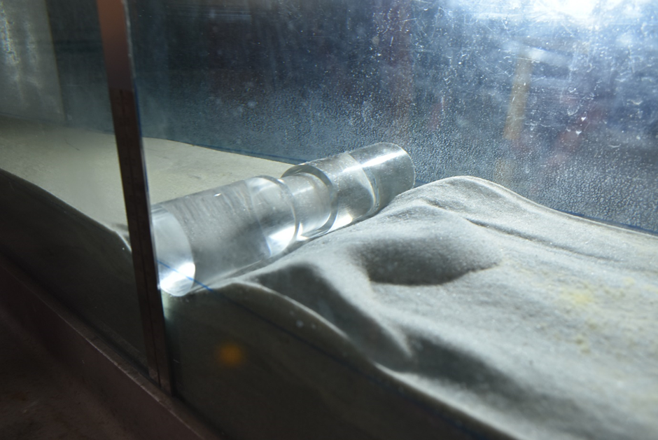
Project Description The STABLEpipe design guideline authored by UWA and published by DNV presents guidance on how to account for sediment mobility, scour and sedimentation in pipeline stability design. This guideline has been applied to offshore NWS pipeline engineering projects in recent years. A key learning from this guideline is that scour initiation points along […]
Testing Waters with DNA ZOO Technology to Build Genomic Resources for Critical Marine Habitat-Forming Species of Seagrasses
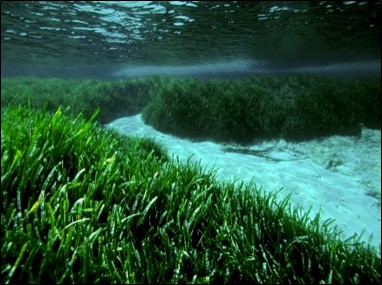
Project Description Marine ecosystems are being fundamentally altered by climate change, especially in circumstances where habitat-forming species are negatively impacted. Understanding the responses of habitat-forming species to changing climate has therefore become a major conservation requirement in the Anthropocene. One major factor determining the response of organisms to stressors like increasing temperature is their genetic […]
Testing the Potential for Marine Growth to Disrupt VIV on Long Spans on Woodside Pipelines

Project Description Evaluating the resonant behaviour and therefore remaining fatigue life of long pipeline spans to ensure that Vortex-Induced Vibrations (VIV) cannot lead to failure bears a significant cost to offshore industries. The present engineering practice does not address the presence of marine growth on the pipe, nor its potential to disrupt VIV. However, recent […]
Mealworms – Taking a Bite out of Plastic Pollution
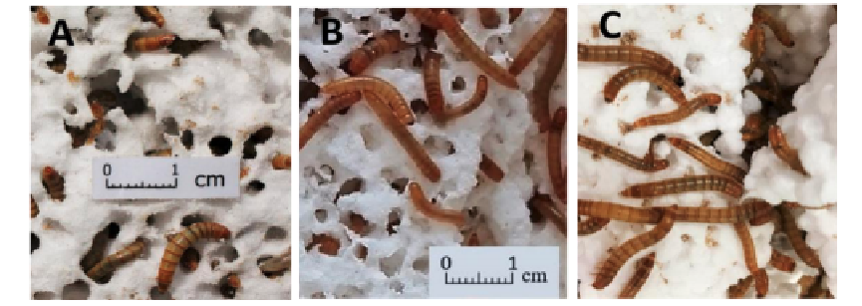
Project Description Polystyrene is a persistent, non-biodegradable plastic that is accumulating at alarming rates on land and in rivers, lakes and oceans globally. The University of Western Australia with support from Woodside Energy Ltd is taking steps towards developing insect technology that will convert polystyrene waste into high value, sustainable protein products such as fertilisers […]
Scouring Assessment of Compound Subsea Structures: Field Observation vs. State of the Art Practice
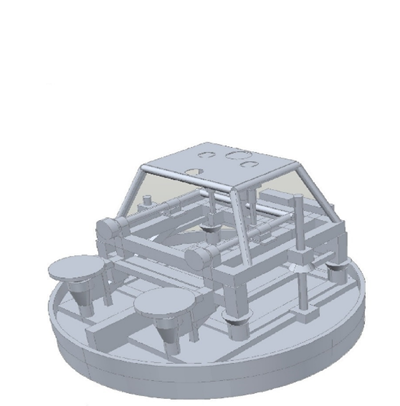
Project Description Scouring assessments for subsea structures are usually conducted using methodologies and assumptions established for surface piercing structures (e.g. bridge piers). Most of these methods are also based on small scale laboratory experiments which model idealised flow conditions and seabed sediments. The application of these methods to subsea structures in the field therefore leads […]